
Organic Nutrition vs Processed Food: Understanding the Real Difference
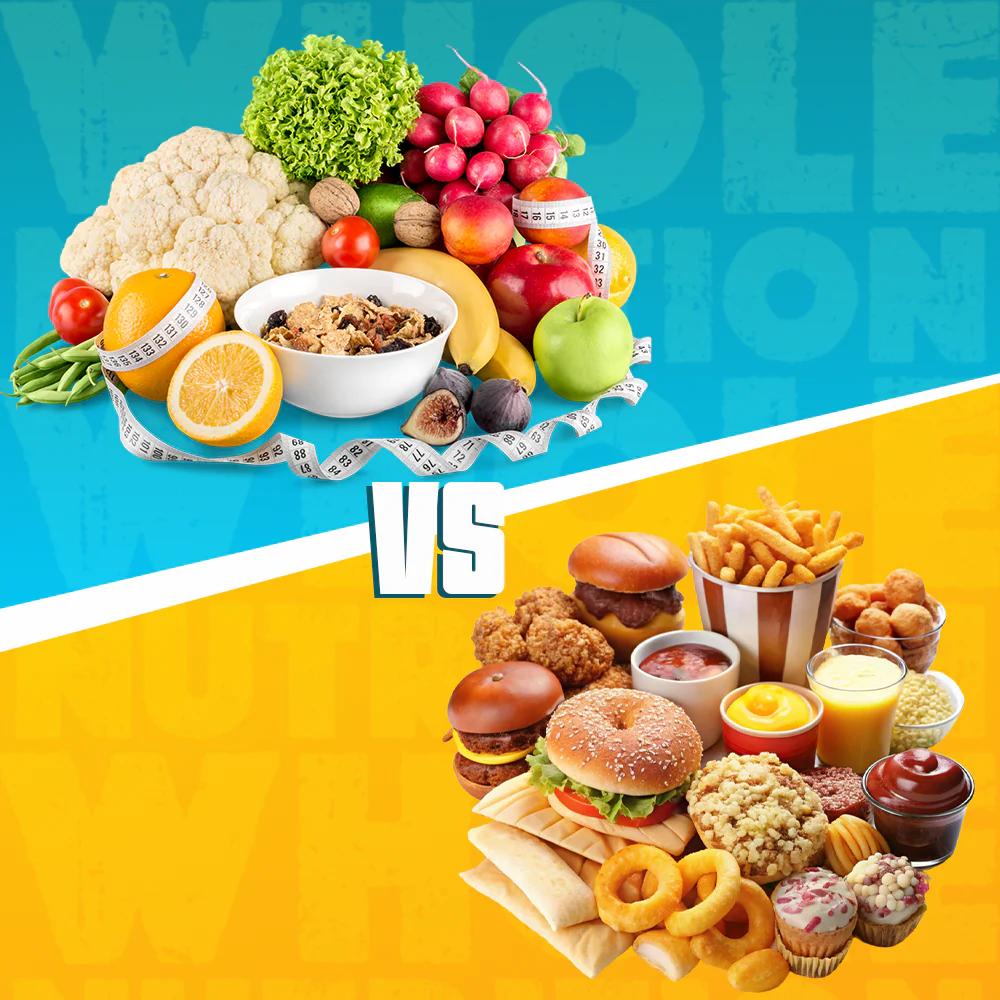
In modern food culture, the distinction between organic nutrition and processed food has become one of the most important topics for individuals seeking better health outcomes, because the majority of daily diets around the world are now heavily influenced by packaged, refined, and chemically altered food products that are designed for long shelf life and mass production rather than optimal nutritional value. This shift in food production has created a situation where many people consume calories that lack essential nutrients, leading to long-term health challenges such as fatigue, weakened immunity, and metabolic imbalance, even when overall food intake appears sufficient on the surface.
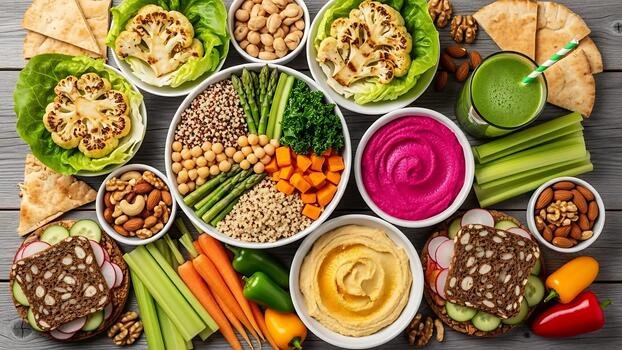
Organic nutrition, on the other hand, focuses on whole, minimally processed ingredients that retain their natural structure, micronutrients, and biological integrity, allowing the human body to absorb nutrients more efficiently while reducing exposure to artificial additives, preservatives, and synthetic compounds that are commonly found in processed foods. Over time, this difference becomes significant because the body responds not only to quantity of food but also to quality, and consistent intake of nutrient-dense foods supports better digestion, sustained energy levels, and improved overall physiological balance.
How Processed Food Affects Long-Term Health
Processed food is often engineered for convenience, taste enhancement, and extended shelf stability, which means that many natural nutrients are removed during manufacturing and replaced with artificial flavors, refined sugars, and chemical stabilizers that improve texture and appearance but do not provide meaningful nutritional benefits to the human body. This creates a dietary pattern where individuals may feel full after eating but still lack essential vitamins, minerals, and fiber required for proper bodily function, gradually contributing to deficiencies and lifestyle-related health issues over time.
In addition, frequent consumption of heavily processed foods can disrupt metabolic balance, affect gut health, and increase dependency on high-sugar or high-salt foods, which can alter natural hunger signals and lead to overeating or inconsistent energy levels throughout the day. These effects are often subtle at first but become more noticeable over long periods, reinforcing the importance of understanding what goes into everyday meals and making conscious decisions about food quality rather than relying solely on convenience or marketing claims.

Real health begins with real food — not processed substitutes.
Benefits of Organic and Whole Food Nutrition
Organic and whole food nutrition provides a more balanced and natural source of energy because it is derived from ingredients that are grown and processed with minimal chemical interference, allowing the body to receive nutrients in their most natural form, which supports better absorption and utilization at the cellular level. This type of nutrition is also rich in fiber, antioxidants, and essential micronutrients that play a critical role in supporting immune function, digestion, and overall metabolic efficiency, making it a foundational element of long-term wellness strategies.
Over time, individuals who shift toward organic and whole food-based diets often report improvements in energy stability, mental clarity, and physical performance, largely because their bodies are no longer constantly processing artificial compounds and nutrient-deficient calories, allowing biological systems to function more efficiently and maintain better internal balance. This reinforces the idea that food is not just a source of energy but also a key determinant of long-term health outcomes and daily functional capacity.
Conclusion
Understanding the difference between organic nutrition and processed food is essential for making informed dietary decisions in today’s complex food environment, where marketing claims often blur the line between healthy and unhealthy options, making it difficult for consumers to clearly identify what truly supports long-term well-being and what merely offers short-term satisfaction.
GreenthumbOrganics aims to simplify this understanding by providing clear, practical, and educational insights that help individuals build healthier eating habits gradually, empowering them to choose better food options with confidence and develop a sustainable lifestyle centered around awareness, balance, and natural nutrition.
Leave a Reply