
Organic Food Awareness and the Rise of Clean Eating Lifestyle Choices
In today’s modern food ecosystem, people are increasingly becoming aware of how deeply their daily dietary habits influence long-term health outcomes, energy levels, and overall physical well-being, especially in environments where processed foods, artificial additives, and chemically enhanced agricultural products dominate supermarket shelves and packaged food industries. This growing awareness has led to a significant shift in consumer behavior where individuals are no longer just eating for convenience or taste but are actively questioning what ingredients are present in their food and how those ingredients affect the body over time, creating a strong foundation for the global clean eating movement that focuses on transparency, nutrition quality, and natural food sources.
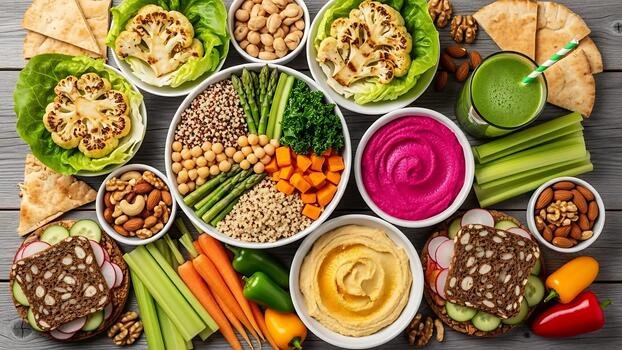
Clean eating is not simply a diet trend but a long-term lifestyle transformation that encourages people to reconnect with natural food sources, understand food processing methods, and reduce dependency on highly refined and chemically altered products that often contribute to lifestyle-related health issues such as fatigue, obesity, digestive imbalance, and low immunity. As individuals gradually adopt this mindset, they begin to prioritize whole foods, seasonal produce, and minimally processed ingredients, allowing the body to function more efficiently while also developing a deeper awareness of how food choices directly influence both physical and mental performance in everyday life.
Understanding the Importance of Organic Food in Daily Life
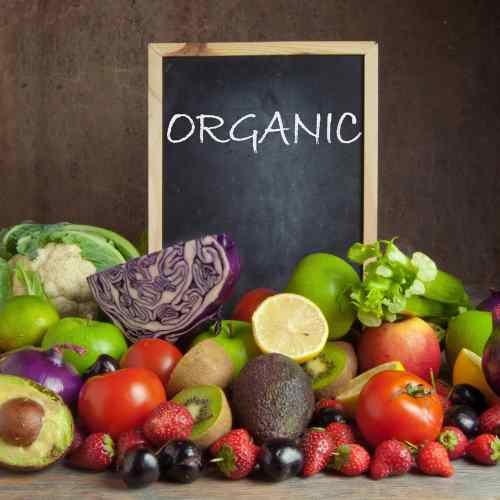
Organic food plays an increasingly important role in modern nutrition discussions because it represents a shift toward farming and production methods that avoid synthetic pesticides, chemical fertilizers, and genetically modified processes that are commonly used in large-scale industrial agriculture systems, which prioritize yield over long-term environmental and health considerations. Many individuals choose organic food not only for perceived nutritional benefits but also because it aligns with a broader philosophy of reducing chemical exposure and supporting more sustainable agricultural practices that maintain soil health and ecological balance over extended periods of time.
Beyond personal health considerations, organic food consumption is also closely connected to environmental responsibility, as organic farming practices often emphasize natural composting, biodiversity preservation, and reduced water and soil contamination, which collectively contribute to healthier ecosystems and more stable food production systems in the long run. This connection between individual dietary choices and global environmental impact has made organic food an essential topic in discussions about sustainability, climate awareness, and responsible consumption patterns in modern society.

Awareness is the first step toward healthier eating — every food choice shapes your future health.
How Food Awareness Changes Eating Behavior
Food awareness fundamentally changes the way individuals approach eating by shifting their focus from short-term satisfaction and convenience toward long-term nutritional value and ingredient transparency, encouraging people to analyze food labels more carefully, question marketing claims, and understand the actual composition of packaged and processed foods that are widely consumed in daily life. This awareness helps individuals recognize hidden sugars, preservatives, and artificial flavor enhancers that may not be immediately obvious but can have cumulative effects on health when consumed regularly over long periods of time.
As people become more informed about what they are eating, they naturally begin to make better dietary decisions, often reducing processed food intake and increasing consumption of natural, whole food alternatives that provide higher nutritional density and better support for metabolic and digestive functions. This gradual transformation does not require extreme dieting or strict restrictions but instead relies on consistent education and mindful decision-making that allows individuals to build sustainable eating habits over time.
Building a Long-Term Clean Eating Lifestyle
Developing a clean eating lifestyle is a gradual process that involves consistent small changes rather than sudden or extreme dietary shifts, allowing individuals to slowly replace unhealthy food habits with more balanced and nutritious alternatives that align with their personal health goals and lifestyle requirements. This process often begins with simple steps such as reducing processed food consumption, increasing intake of fresh fruits and vegetables, and choosing minimally refined ingredients that retain their natural nutritional value and support overall bodily functions more effectively.
Over time, these small adjustments create a strong foundation for long-term health improvements, as the body begins to adapt to cleaner nutritional inputs, resulting in better energy levels, improved digestion, enhanced immunity, and a more stable metabolic balance that supports overall well-being in daily life. This lifestyle approach emphasizes sustainability and balance rather than restriction, making it easier for individuals to maintain healthy habits without feeling overwhelmed or deprived.
Conclusion
Organic food awareness and clean eating practices represent a significant shift in how modern society understands nutrition, health, and long-term well-being, highlighting the importance of making informed dietary choices that prioritize natural ingredients, transparent food sourcing, and reduced exposure to harmful additives that are commonly found in processed food systems. This growing awareness continues to shape consumer behavior across the world as more individuals seek healthier and more sustainable ways of living through conscious food decisions.
GreenthumbOrganics is dedicated to simplifying this knowledge and making it accessible to everyday users by providing clear, structured, and easy-to-understand educational content that helps individuals develop stronger food awareness and gradually transition toward healthier eating habits that support long-term physical and mental well-being without complexity or confusion.
Leave a Reply